Category Archives: Educational
Information about the wine industry.
What is Terroir?
Have you heard of the term terroir? Do you know what it means in relation to wine? Without consulting Wikipedia, here is my definition: Terroir: the essence of the place where grapes are grown; the sense of place that one tastes in wines from a specific region. Let’s make it simple, wine is made from grapes grown in soil and exhibits flavor characteristics from that soil, climate and man-made winemaking techniques. For me, the best wines are from regions and years where the conditions are so perfect, that wine makers merely need to stand back and, “Don’t mess it up.” Here are some of my favorite winemaking regions that express terroir:
Burgundy – how can vineyards that are just yards apart taste worlds apart? Apparently, 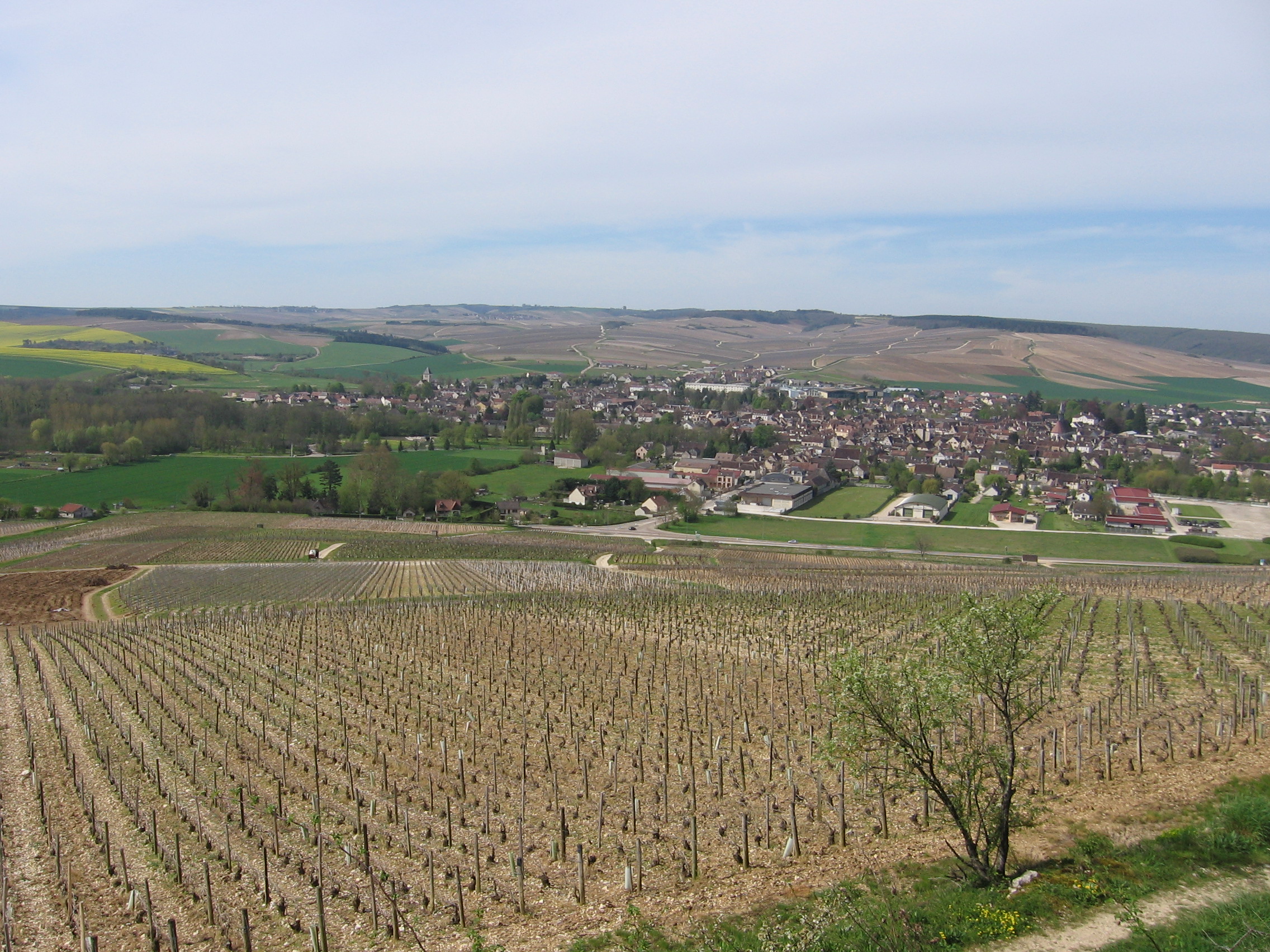 the monks got it right when they designated the parcels! My faves: Romanee-Conti and Joseph Drouhin.
South Africa – I am on a huge south African wine kick right now. Founded by the Dutch, S. Africa has come a long way since Apartheid. Look for Chenin Blancs and Bordeaux blends that are just as good as their French colleagues, and less than half the price! Go to wineries: Raats, Rustenberg, Indaba and Mulderbosch.
Argentina – love it! love it! Is there really any bad wine from this country?? Not the ones that I am drinking anyway! Priced from $10 to $30 these wines are a bargain! While known for Malbec, there are some terrific blends and other varietals as well. Go to producers: Bodega Benegas, and Bodega Noemia.
Want to learn more about wine? Join a wine club! There are several great ones in Greenville, SC. Vino’s etc., NY Butcher Shoppe and West End Wine & Spirits, just to name a few!
Oregon’s 2007 vintage: Where is it now?
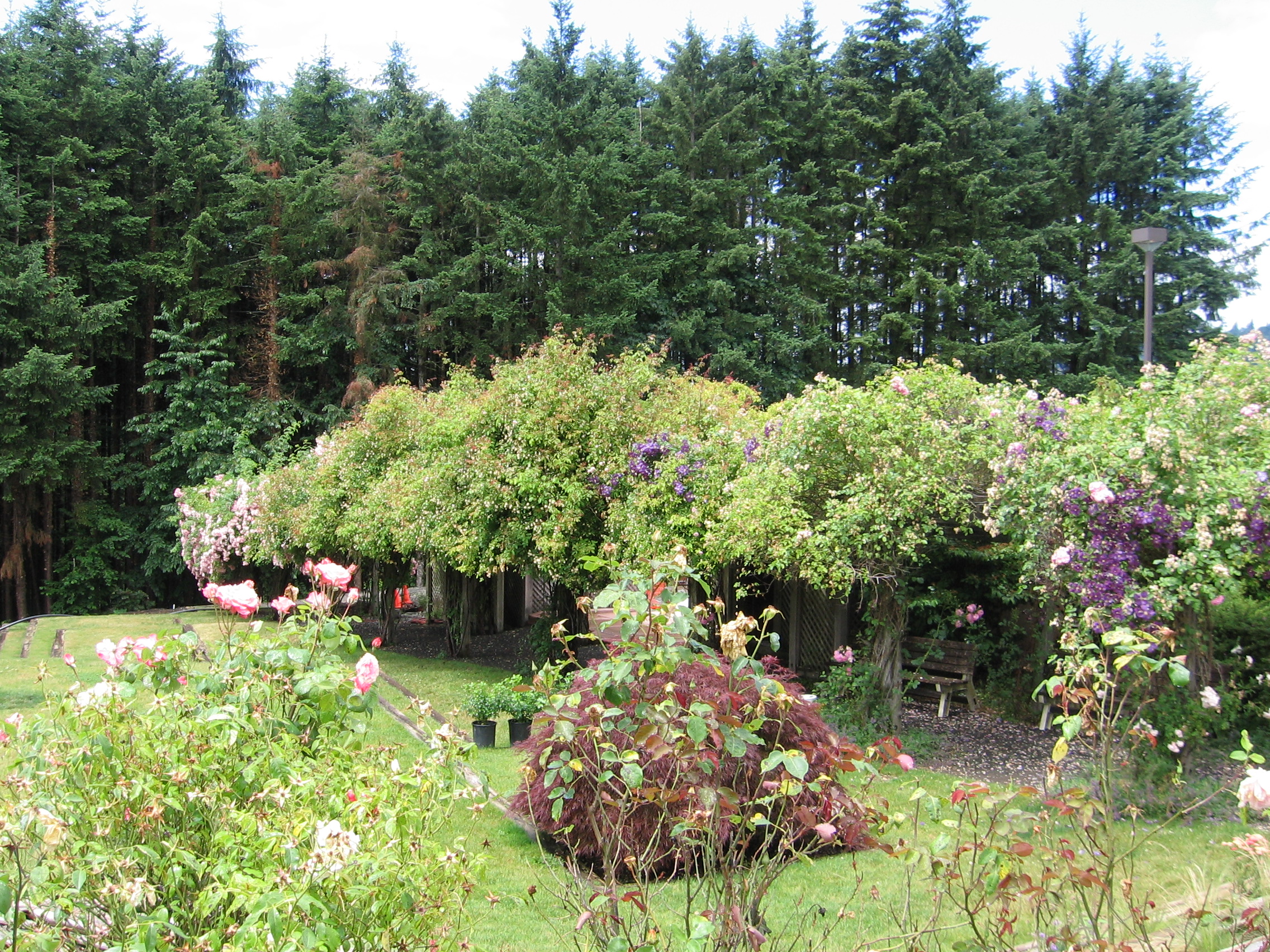 As many of you may know, the year 2007 was a challenge for wine makers in Oregon. A combination of events, primarily the late season rain, made the vintage difficult if not dreadful. Many producers, fearing the loss of an entire crop of Pinot Noir, picked when the fall rains began. Others, not so concerned with money, waited out the weather, and ended up with some decent wines. The result: wines ranging from weak, mediocre at best, to wines with nice acidity and fruit.
The concept of vintage, or year the grapes are picked, can be daunting for the wine novice. I will readily admit that when I first started purchasing wine (at the time, a step up from Bartles & James wine coolers, for me), I never even looked at the vintage. So, what does the date on the bottle really mean? The vintage date is very important, especially if the grapes are from a specific wine region. A wine labeled as “California”, for example. can be sourced from any vineyard within the state. This leads to a great variety of grapes, therefore, vintage may not be relevant. A wine classified as Bordeaux or Burgundy from France, comes from a much smaller geographical area. The climate, and several other factors effecting the grapes that year, may lead to a huge diversification from year to year.
Getting back to Oregon and the Willamette Valley. While most wine drinkers view this region as a small, self-contained region, it is actually quite large. As one of three major growing areas in the state, it provides the dominant amount of wines from Oregon. Located about 40 miles south of Portland, the Willamette Valley winemaking area extends southward along the Willamette River. Whether you consider the region to be large or small, it is easily defined as the top growing area in Oregon. So when the Wine Spectator decides to give the 2008 a perfect 100 score, take it with a grain of salt. How could every single winery produce perfect wines in 2008? (Many did, especially those that just left the grapes alone, and didn’t let winemaker’s ego add or distract from the equation).
The topic of this post was 2007 though, not 2008. This vintage was proclaimed a failure by much of the press. It was further ridiculed by the educated wine drinker, as winemakers proclaimed it “Burgundian”, and intimated that their light, green tasting wines were, “a true expression of Oregon.” Many of these wines were, indeed, picked too early, or with too much water in the grapes, leading to green or watered down flavors on the final product. The top producers, however, realized that they were able to create wines that would age. The key to creating a wine that will go the distance is acidity. The 2007 Oregon Pinot Noirs had it! So, where are they now? The better producers that still have wines from this year available are worth seeking out. Try the Sass Christie’s Cuvee Pinot Noir, the Belle Ponte Murto Vineyard Pinot Noir or the St. Innocent Shea Vineyard Pinot Noir. These wines were good upon release, and they have now been in bottle for about two years. At this moment, they are amazing! If you find these gems, buy a few bottles. Drink one now, and put the others in your cellar for a few years. I can’t wait to see how these babies taste in 5 or 10 years!


 Carolina Wine Girl